Phobias can feel confusing and overwhelming, especially when your reaction seems far bigger than the situation in front of you. You might know that you’re safe, yet your body reacts as if there’s real danger—heart racing, muscles tightening, breath becoming shallow, and an intense urge to escape.
If you’ve ever asked yourself, “Why does my body react so strongly?” or “How can I get rid of my phobia?”, you’re not alone. Phobias are deeply connected to the body’s alarm system, and understanding this connection can be an important step toward reducing fear and regaining a sense of calm.
In this article, we’ll explore how phobias develop, what’s happening in the body during a phobic response, and how approaches such as hypnosis, and EFT are sometimes used as supportive tools for stress management and fear-related patterns.
What Is a Phobia, Really?
A phobia is more than just a dislike or mild fear. It’s a strong, automatic fear response that feels out of proportion to the actual situation. Common phobias include fear of flying, spiders, heights, enclosed spaces, needles, or certain social situations.
What makes a phobia difficult is not the object or situation itself, but the body’s intense reaction to it. This reaction often happens instantly, before you have time to think logically.
The Body’s Alarm System Explained
The body has a built-in alarm system designed to protect you from danger. This system is part of the nervous system and is sometimes referred to as the “fight or flight” response.
When the brain perceives a threat—real or perceived—it sends signals that prepare the body to react quickly. This can include:
- Increased heart rate
- Faster breathing
- Muscle tension
- Heightened alertness
- A strong urge to escape
This response is incredibly useful in genuinely dangerous situations. The problem with phobias is that the alarm system is activated even when there is no real threat.

Why Does My Body React So Strongly?
One of the most frustrating aspects of phobias is knowing that the fear doesn’t make sense, yet feeling powerless to stop it.
This happens because phobic reactions are often learned and stored at a subconscious level. The body has learned to associate a specific trigger with danger, even if that association is outdated or inaccurate.
Once this pattern is in place, the alarm system can activate automatically—sometimes faster than conscious thought. This is why reassurance or logic alone often doesn’t stop the reaction
How Phobias Develop Over Time
Phobias can develop in different ways. Some form after a specific frightening experience, while others develop gradually without a clear starting point.
They may be linked to:
- A past stressful or overwhelming experience
- Repeated exposure to fear-based messages
- Learned responses from childhood
- General stress levels being consistently high
In many cases, the original trigger is no longer relevant, but the body hasn’t updated its response.
Phobias, Stress, and the Nervous System
Phobias are closely connected to overall stress levels. When stress is high, the nervous system is already on alert, making fear responses more intense and harder to regulate.
This is why stress management plays an important role in working with phobias. Supporting the nervous system to feel calmer overall can reduce how strongly it reacts to specific triggers.
Avoidance and the Fear Loop
A common response to phobias is avoidance. Avoidance makes sense—it reduces discomfort in the short term. However, it can unintentionally reinforce the fear.
Each time the trigger is avoided, the nervous system doesn’t get the chance to learn that it’s safe. Over time, the fear response can become stronger or spread to related situations.
Breaking this loop gently and safely often involves working with both the mind and body.
Can Hypnotherapy Help With Phobias?
A common question is: “How can I get rid of my phobia?”
It’s important to answer this responsibly. Hypnotherapy is not a medical treatment and does not guarantee the removal of phobias. It does not replace care from a doctor or mental health professional.
That said, hypnotherapy works with focused attention and relaxation, helping the nervous system settle and allowing space to explore fear responses in a calmer state.
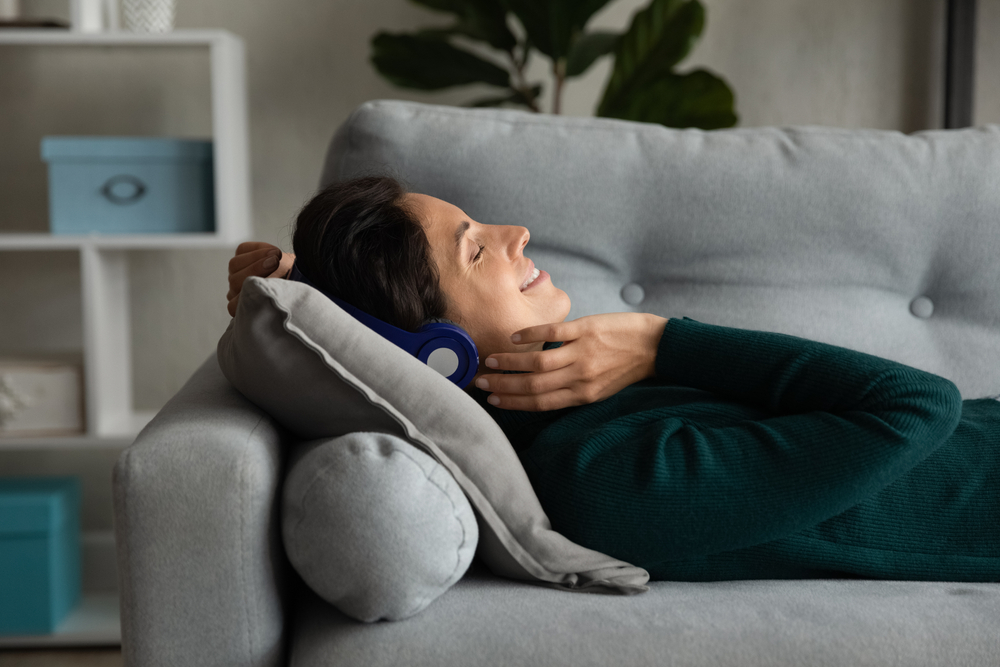
How Hypnotherapy Is Sometimes Used for Phobia Support
During hypnotherapy, you are guided into a relaxed, focused state while remaining fully aware and in control. In this state, some people find it easier to:
- Notice fear responses without being overwhelmed
- Reduce physical tension linked to fear
- Build a sense of safety in the body
- Change how the body responds to triggers over time
Hypnotherapy does not force exposure or remove fear against your will. Instead, it may help the nervous system learn new, calmer responses at a pace that feels manageable.
Online Hypnosis and Working With Fear
Online hypnosis allows sessions to take place via secure video, in your own environment. Many people find this especially helpful when working with phobias, as being at home can increase feelings of safety and control.
Online sessions follow the same principles as in-person work. Their effectiveness depends less on location and more on comfort, trust, and readiness for change.
Final Thoughts: Your Body Is Trying to Protect You
Phobias are not a sign of weakness or failure. They are the result of a protective system doing its best—sometimes too well.
Understanding phobias as a nervous system response can reduce shame and self-blame. Approaches like hypnotherapy may offer supportive ways to help the body feel safer and less reactive over time.
If you’re curious about exploring your fear responses gently and realistically, get in touch today for a chat about how hypnosis can help you with your fear.