In today’s busy world, many people are turning to online hypnotherapy as a flexible way to explore personal growth, manage stress, or work on habits they’d like to change. Whether you’re new to the idea of hypnosis or you’ve tried sessions in person before, you might be curious about how hypnotherapy online actually works and whether it can help you.
At Focused Mind Hypnosis, we understand that hypnotherapy is considered an alternative approach—not a guaranteed or scientifically proven method. Still, many people find it a supportive tool that helps them focus their minds, relax deeply, and work on making positive changes in their lives.
In this article, we’ll walk you through what to expect from hypnosis online, how it compares to in-person sessions, and what kinds of issues people often use it for.
What Is Online Hypnotherapy?
At its core, hypnotherapy is a guided process where you enter a relaxed, focused state—sometimes described as a “trance.” In this state, your attention becomes more absorbed, which may make it easier for you to focus on suggestions, imagery, or ideas that support your goals.
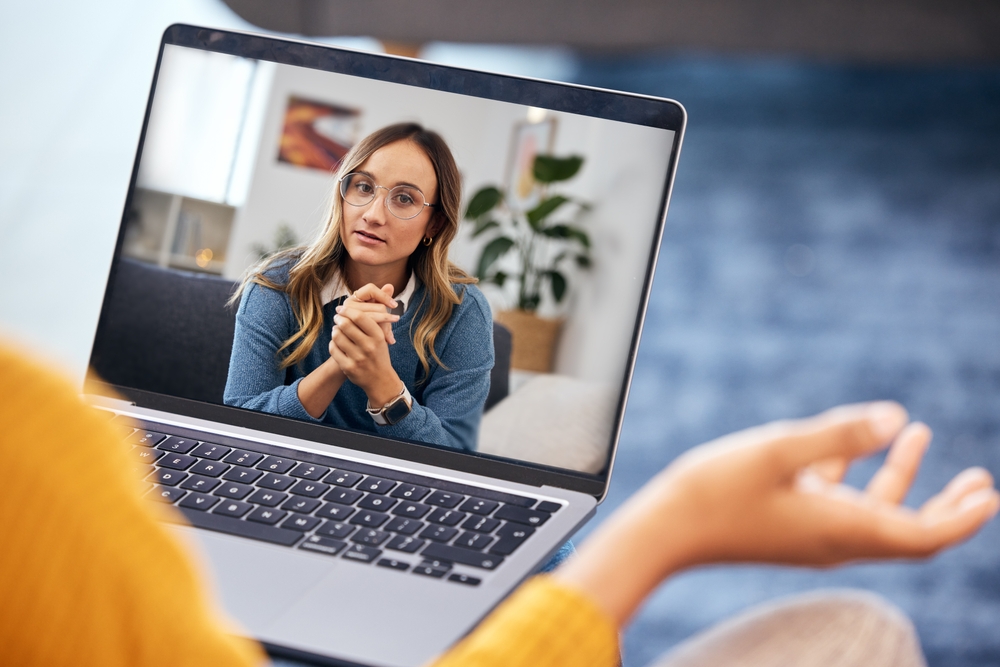
Online hypnotherapy simply means this process happens via a secure video call instead of meeting face-to-face in a therapy room. You’ll be guided by a trained hypnotherapist in real-time, but from the comfort of your own home.

Is Online Hypnotherapy Effective?
One of the most common questions people ask is: Does hypnosis online actually work?
The honest answer is: it depends. Research into hypnotherapy shows mixed results. Some people find it incredibly helpful for things like relaxation, confidence, or habit change, while others don’t notice much of a difference. Because it’s an alternative approach, outcomes vary, and it’s not considered a replacement for medical or psychological treatment.
That said, many clients report that hypnotherapy online feels just as effective as in-person sessions. The key factors tend to be:
- Your comfort level – If you feel safe and relaxed at home, you may find it easier to focus.
- Your commitment – Like any form of personal growth, you get the most out of it when you’re open and willing to engage in the process.
- Your therapist’s experience – A skilled hypnotherapist can adapt sessions to suit your needs, whether online or in person.
What’s the Difference Between In-Person and Online Sessions?
While the principles of hypnotherapy stay the same, there are some differences between seeing a hypnotherapist in person versus online.
The Benefits of Online Hypnotherapy
- Convenience – No travel time, no waiting rooms. You can schedule sessions around your life.
- Comfort – Being in your own environment often makes people feel more at ease.
- Accessibility – If you live in an area without hypnotherapists nearby, hypnosis online opens up more options.
- Continuity – Online sessions can keep going even if you move, travel, or have limited mobility.
The Benefits of In-Person Sessions
- Shared space – Some people find being physically present with a therapist helps them focus better.
- Fewer distractions – If your home environment is noisy or busy, in-person sessions may feel more immersive.
- Body language – Being face-to-face sometimes allows for more subtle communication.
Ultimately, both approaches can work—it really comes down to what suits your lifestyle and personality best.
What Happens in a Typical Online Hypnotherapy Session?
If you’ve never tried hypnosis before, it can sound a bit mysterious. But the process is actually very down-to-earth. Here’s what usually happens:
1. Getting Comfortable
Your session will start with a casual conversation. Your hypnotherapist will ask about your goals, answer questions, and make sure you feel comfortable with the process.
2. Setting the Scene
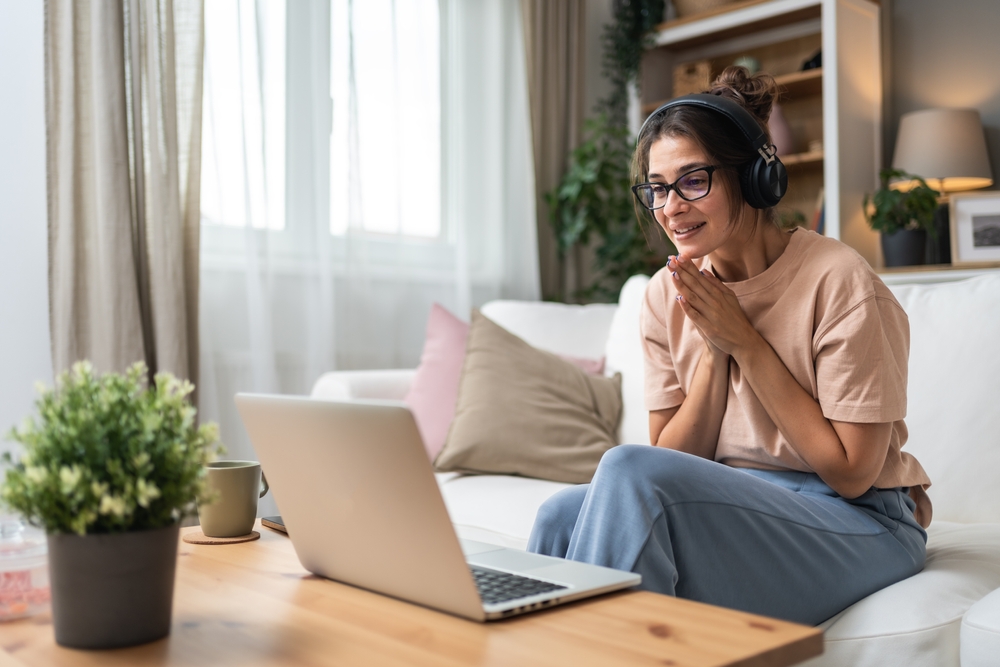
You’ll be encouraged to sit or lie somewhere comfortable where you won’t be disturbed. Headphones can help you immerse yourself in the session.
3. Guided Relaxation
The hypnotherapist will guide you into a relaxed state using gentle words and imagery. This isn’t about being “under someone’s control”—you’ll remain fully aware and in charge the whole time.
4. Focused Suggestions or Imagery
Once you’re relaxed, the therapist may use suggestions, metaphors, or visualizations tailored to your goals. For example, if you want to feel calmer, they might guide you to imagine a peaceful scene and anchor that calm feeling.
5. Returning to Normal Awareness
The session always ends by gradually bringing you back to your usual waking state, feeling refreshed and aware.
6. Reflection
You may spend a few minutes discussing how you felt and what to expect afterward. Some therapists also suggest techniques you can practice on your own between sessions.
What Can Hypnotherapy Online Help With?
People come to online hypnotherapy for all sorts of reasons. While results vary, common areas include:
- Managing stress or anxiety
- Building confidence and self-esteem
- Supporting habit change (like nail-biting or smoking)
- Sleep support
- Motivation and focus
- Coping with fears or phobias
- General relaxation and well-being
It’s important to note that hypnotherapy is not a medical treatment. If you have a mental health condition or medical concern, always consult a qualified professional first. Hypnosis can sometimes be a helpful complement, but it shouldn’t replace conventional care.
How to Prepare for Your First Online Session
If you’re curious about trying hypnosis online, here are a few simple tips to make the most of your first session:
- Choose a quiet space where you won’t be interrupted.
- Use headphones to block out background noise and focus on your hypnotherapist’s voice.
- Test your tech (camera, microphone, internet connection) before the session begins.
- Set your intentions – think about what you’d like to focus on, whether it’s relaxation, confidence, or a specific habit.
- Keep an open mind – you don’t need to “believe” in hypnosis for it to be helpful. Just allow yourself to experience it.
Common Myths About Hypnosis Online
Because hypnosis is often portrayed in movies or stage shows, there are a lot of misconceptions. Let’s clear up a few:
- Myth: You lose control during hypnosis.
Reality: You’re always in control and can stop at any time. - Myth: The therapist can make you do silly things.
Reality: Hypnotherapy is about supporting your goals, not entertainment. Nothing happens without your consent. - Myth: Only certain people can be hypnotized.
Reality: Most people can experience some level of hypnosis, though the depth of relaxation varies. - Myth: Hypnosis is sleep.
Reality: You’re not asleep—you’re in a focused, relaxed state of awareness.
Why Try Hypnotherapy Online?
If you’re looking for a supportive, flexible way to explore personal growth, online hypnotherapy could be worth considering. While it’s not a magic cure, many people find it gives them space to relax, focus, and approach challenges in a new way.
At Focused Mind Hypnosis, we believe in keeping the process realistic and grounded. Hypnotherapy isn’t about quick fixes or promises—it’s about giving yourself the chance to pause, refocus, and work on positive change in a supportive environment.
Key Takeaways
- Hypnotherapy online offers the same principles as in-person sessions, with added convenience and comfort.
- Effectiveness varies—hypnosis isn’t a proven method, but many people find it helpful for relaxation, focus, and habit support.
- Online sessions are safe, flexible, and can be tailored to your needs.
- Preparing your space and mindset can make your first hypnosis online experience smoother.
Final Thoughts
If you’ve ever wondered what it’s like to try online hypnotherapy, the best way to find out is to experience a session for yourself. Keep an open mind, remember that you’re always in control, and see how the process feels for you.
Hypnotherapy isn’t about guarantees or quick solutions—it’s about creating a space where you can focus your mind, relax deeply, and explore new possibilities for change. Whether you’re curious about managing stress, improving sleep, or simply giving yourself time to recharge, hypnotherapy online might be a supportive tool to add to your self-care toolkit.